
İpek Kocaömer Yosmaoğlu | President
Associate Professor
Northwestern University
Ph.D., Princeton University
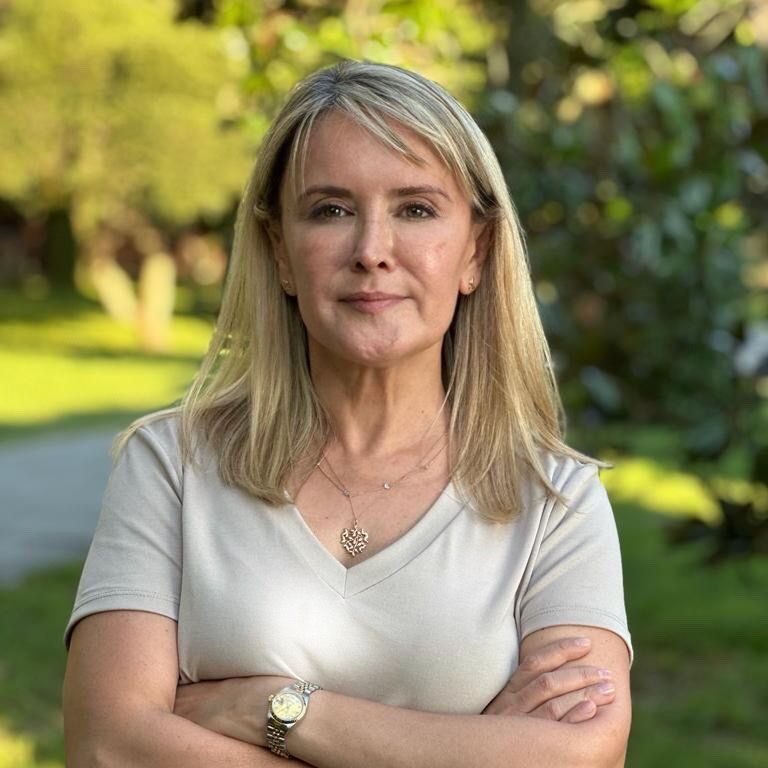
İpek Kocaömer Yosmaoğlu (Ph.D., Princeton, 2005) is associate professor of History and the Director of the Keyman Modern Turkish Studies Program at the Buffett Institute of Global Affairs, Northwestern University. She taught at the University of Wisconsin-Madison and was a Mellon fellow at the Institute for Advanced Study before joining Northwestern faculty in 2010. She is the author of Blood Ties: Religion, Violence, and the Politics of Nationhood,1878-1908 (Cornell University Press, 2014), and the co-editor, with Kerem Öktem, of Turkish Jews and Their Diasporas: Entanglements and Separations (Palgrave MacMillan, 2022). Her research and teaching interests include nationalism, political violence, genocide, and ethnic cleansing at the intersection of empire and nation states.She is currently working on a project about notions of belonging, identity, and citizenship in the late-nineteenth and early twentieth centuries based on the experiences of Ottoman Jews and Jews who wanted to become Ottomans.
James Ryan | Executive Director
Executive Director
Middle East Research and Information Project (MERIP)
Ph.D., University of Pennsylvania
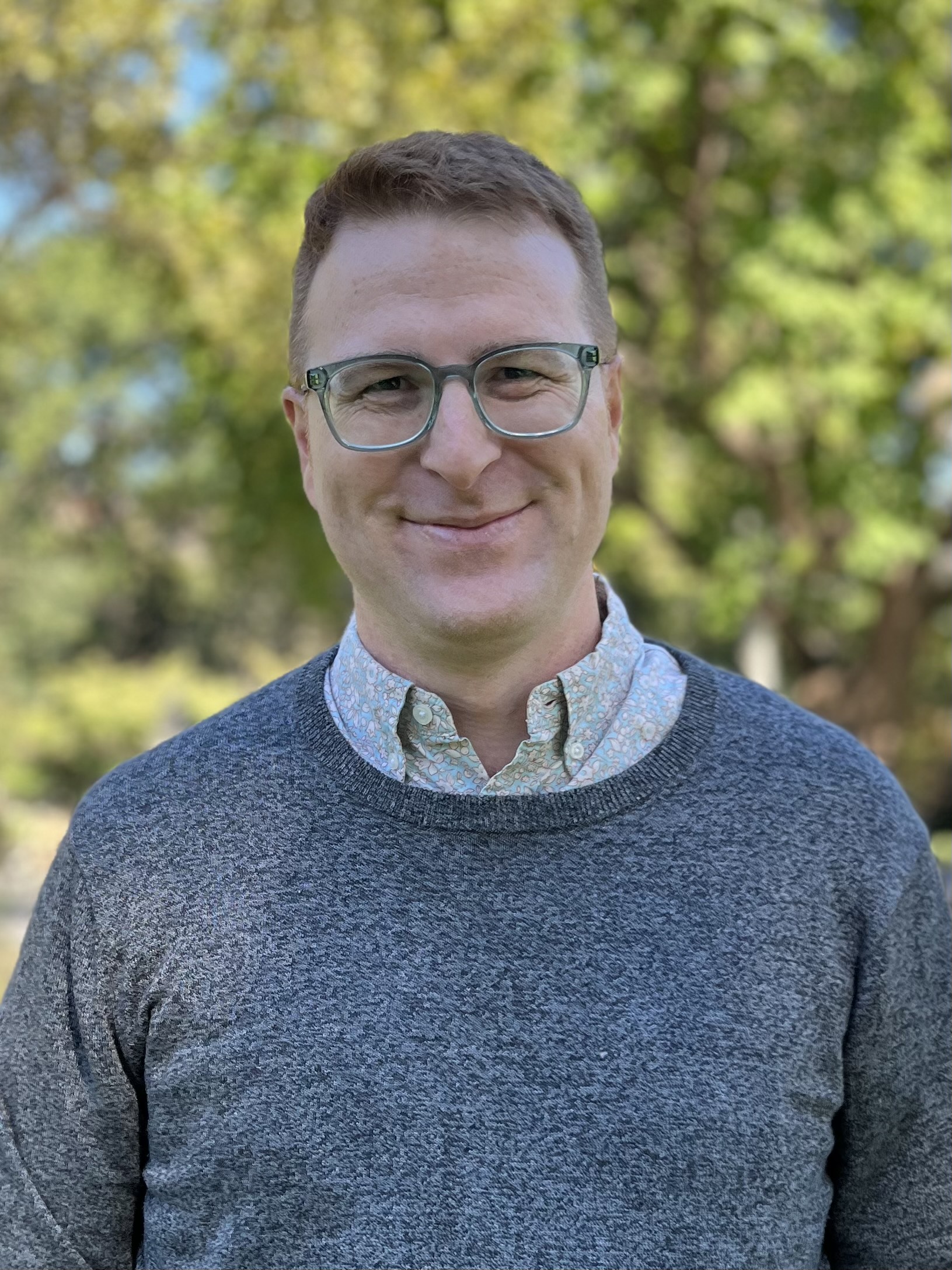
James Ryan is the Executive Director of the Middle East Research and Information Project (MERIP), and an Adjunct Professor of History and International Studies at Rowan University. He is a historian by training, and received his Ph.D. in History from the University of Pennsylvania. Prior to joining MERIP, he served as the Director of Research and the Middle East Program at the Foreign Policy Research Institute (FPRI), and before that as the Associate Director of the Hagop Kevorkian Center for Near Eastern Studies at New York University. His research focuses on the history and politics of the Ottoman Empire and Turkey in the 20th and 21st centuries, and has published research articles in Prisms: Perspectives on South East European History, the Journal of the Ottoman and Turkish Studies Association, and the Journal of Urban History, as well as a recent contribution to the Routledge Handbook on Contemporary Turkey. His writing and analysis of contemporary Turkish politics and history has appeared in MERIP, FPRI’s Analysis section, as well in venues such as War on the Rocks, New Lines Magazine, Al Jazeera America, and Public Books. He is currently working on a book manuscript examining the culture of dissent in Turkey between the two world wars.
Ayşe Baltacıoğlu-Brammer | Treasurer
Assistant Professor of History and Middle East and Islamic Studies
New York University
Ph.D., The Ohio State University
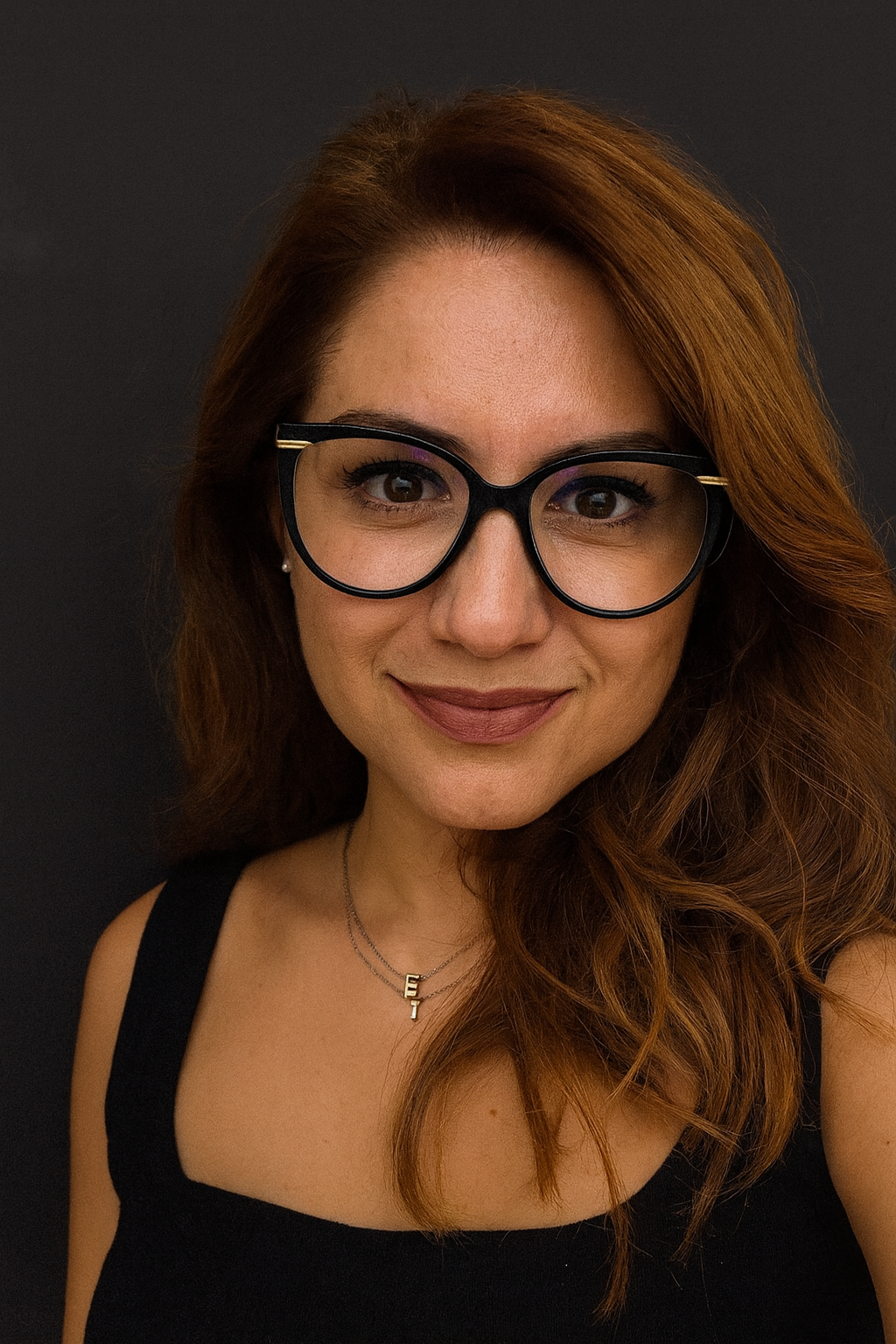
Ayşe Baltacıoğlu-Brammer specializes in Middle Eastern history with a particular focus on the early modern Ottoman and Safavid Empires. Her first book, Boundaries of Belonging: Sectarianism and Statecraft in the Early Modern Ottoman Empire (Cambridge University Press, March 2026), explores the complex questions surrounding the Sunni-Shi‘i division during this period, examining its intersections with political, religious, and fiscal legitimacy within inter-confessional and inter-imperial contact zones. At the heart of this work is an analysis of the religious and social dynamics in early modern Ottoman Anatolia and Safavid Iran. My second book project, tentatively titled What’s in a Name? Collective Identities and the Politics of Labeling Across Time and Translation, examines how terms of socio-political categorization have been produced, deployed, translated, and reinterpreted in the Middle East from the fifteenth to the twenty-first centuries. The project argues that labels used to describe communal identities were never neutral descriptors; rather, they operated as instruments of power and as flexible tools of political negotiation whose meanings shifted according to context, audience, and purpose. Rather than merely designating groups, these terms actively shaped practices of governance, informed how communities articulated their own identities, and influenced how later historians, scholars, and translators have interpreted and represented them
Nilay Özok-Gündoğan | Journal Co-Editor
Associate Professor of Ottoman And Middle Eastern History
Florida State University
Ph.D., Binghamton University
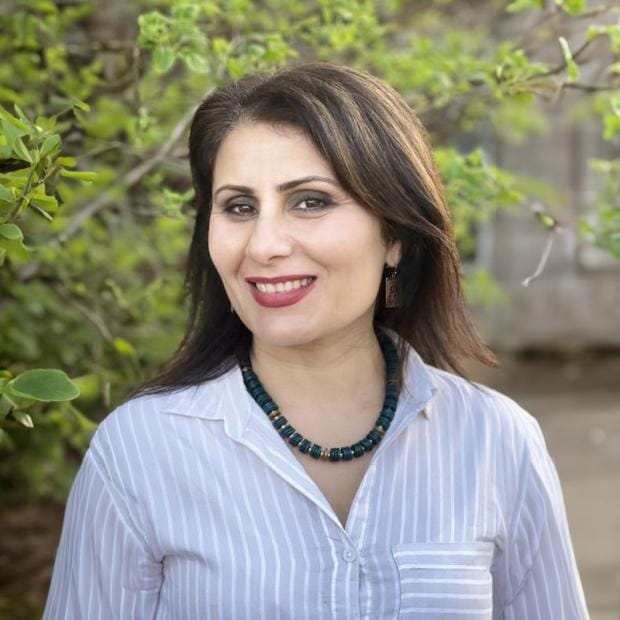
Nilay Özok-Gündoğan is an associate professor of Ottoman and Middle East history. Her research centers on modern state-making, elite formation, property regimes, and intercommunal conflict and coexistence in Ottoman Kurdistan. Her work stands at the junction of interconnected Ottoman, Kurdish, Armenian, and Turkish histories. She also writes about the question of methodology in Kurdish Studies.
Dr. Özok-Gündoğan first book, The Kurdish Nobility in the Ottoman Empire Loyalty, Autonomy and Privilege, narrates the rise and fall of Kurdish nobility in the Ottoman Empire from the sixteenth through to the nineteenth century. Focusing on one noble Kurdish family based in the emirate of Palu, a fortressed town in Kurdistan, it provides the first systematic analysis of the Kurdish hereditary nobility.
She is currently working on a new book, tentatively titled State Formation, Frontier Administration, and Mining: The History of the Keban-Ergani Mines in the Ottoman Empire, 1720-1870 which examines the most significant mining area of the empire in the eighteenth century. Rich with copper, gold, and silver reserves, these mines became the lifeblood of the Imperial Mint and the Ottoman military industry for over a century. Through the prism of the Keban-Ergani mines, Dr. Özok-Gündoğan’s book uncovers the various ways in which precapitalist forms of mineral extraction for the needs of a warring imperial state transformed the lives of the local population, regional economies, and the environment.
Dr. Özok-Gündoğan’s publications also appeared in the Journal of Social History, International Journal of Middle East Studies, Comparative Studies of South Asia, Africa and the Middle East, New Perspectives on Turkey, and edited volumes.
Harun Küçük | Board Member, President-Elect
Associate Professor of the History and Sociology of Science
University of Pennsylvania
Ph.D., University of California-San Diego
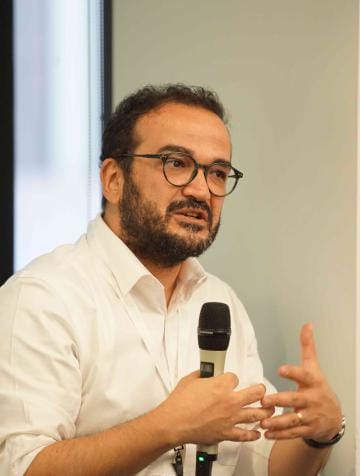
B. Harun Küçük received his BA in Liberal Arts from St. John's College and an MA in History at Sabancı University in Istanbul, Turkey. He completed his doctoral work on History and Science Studies at University of California, San Diego (2012). Prior to joining Penn's Department of History and Sociology of Science, he was a lecturer at Sabancı, Şehir and Boğaziçi Universities in Istanbul and held pre- and post-doctoral fellowships at the Max Planck Institute for the History of Science in Berlin.
His first book, Science without Leisure: Practical Naturalism in Istanbul, 1660-1732 (Pittsburgh, 2019) is a history of vernacular science in the Ottoman Empire. The book investigates the cosmopolitanism, the republicanism and the intellectual self-reliance of Ottoman naturalists within the broader context of commerce, warfare, religious conversion and political upheaval in early modern Istanbul. Currently, he is writing a book about the long-term relationship between science and monetary capital. He is also part of the ERC-funded project “Geographies and Histories of the Ottoman Supernatural Tradition Exploring Magic, the Marvelous, and the Strange in Ottoman Mentalities.” Together with Oscar Aguirre-Mandujano, he is co-editing a primary source reader on Ottoman science.
Küçük's research interests include science and religion, the Enlightenment and the movement of knowledge in the early modern period.
Can Nacar
Associate Professor of History
Koç University
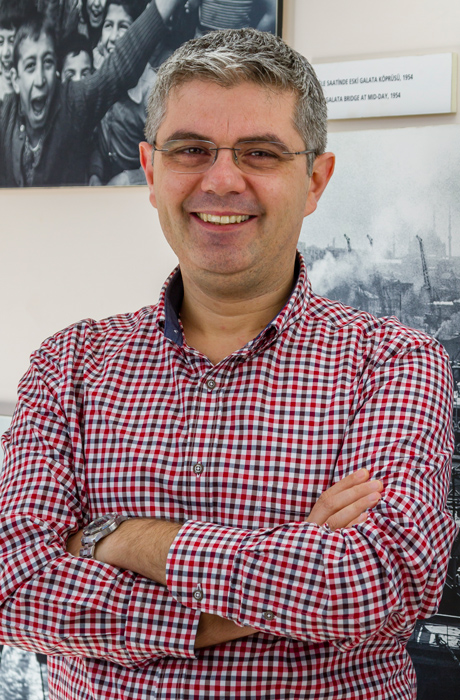
Can Nacar is an Associate Professor of History at Koç University. His research focuses on the history of the late Ottoman Empire and early republican Turkey, with a particular interest in the lives of artisans and workers, the risks and conflicts associated with the introduction of modern
transportation technologies, the formation and evolution of regional trade networks, and the history of animals. He has authored two books: the first, Labor and Power in the Late Ottoman Empire: Tobacco Workers, Managers, and the State, 1872-1912, was published in 2019 by Palgrave Macmillan; the second, co-authored with Yonca Köksal Özyaşar, is titled Anatolian Livestock Trade in the Late Ottoman Empire and was published by Leiden University Press in 2024. His publications have also appeared in journals such as the International Journal of Middle East Studies, Journal of the Ottoman and Turkish Studies Association, Archiv Orientalni, Middle Eastern Studies, Comparative Studies of South Asia, Africa and the Middle East, Toplum ve Bilim, Kebikeç, and Tarih ve Toplum-Yeni Yaklaşımlar. Since 2015, he has been serving as a book review editor and, since 2024, as an associate editor for New Perspectives on Turkey.
Brittany White
Fellow in the Bridge to the Doctorate Program
Department of History, University of Virginia
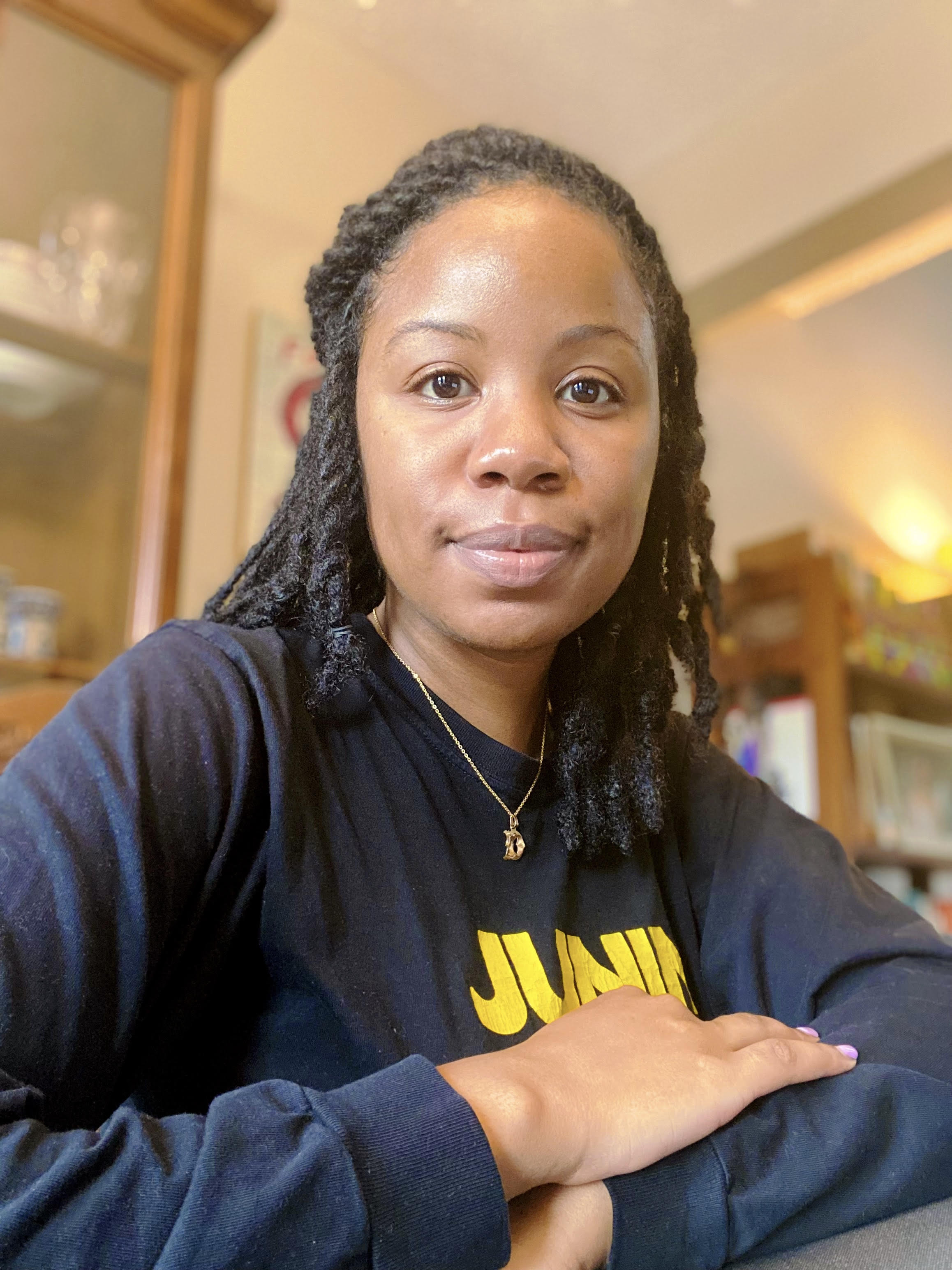
Brittany White is a PhD candidate in the History Department at the University of Virginia. Her work examines the African Diaspora in the Ottoman and post-Ottoman world and seeks the Black experience at the center of larger questions in historiography. This includes questions about race, slavery, migration and displacement, and the subsequent formation of nation-states after the fall of the Ottoman Empire.
Brittany has a background in nonprofit communications and interested in public and digital humanities. She is deeply committed to writing history as engaging and accessible literature that can reach audiences outside the academy.
Emily Neumeier | Board Member
Assistant Professor of Art History
Temple University
Ph.D, University of Pennsylvania
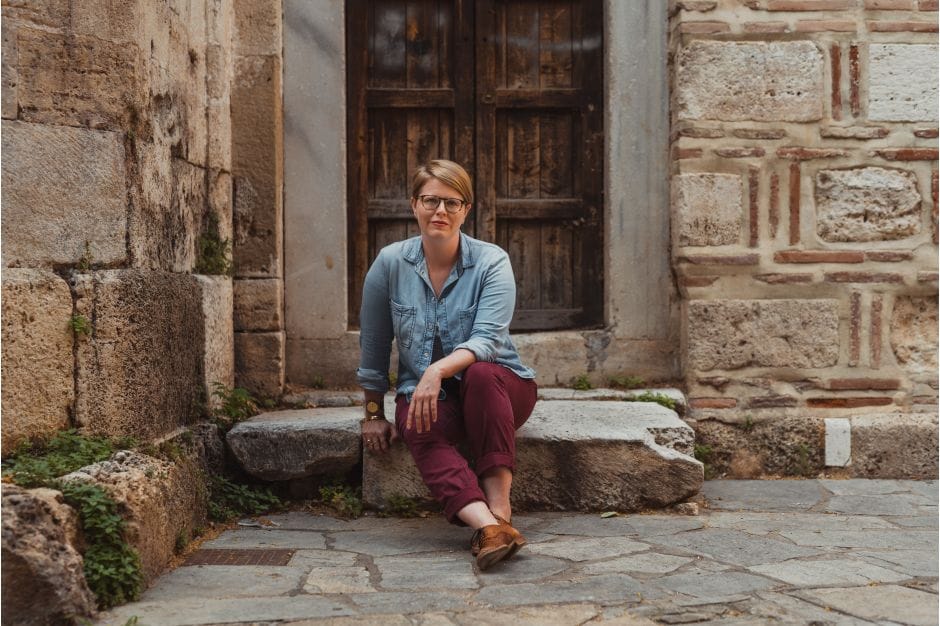
Emily Neumeier is a historian who studies the art and architecture of the Islamic world, with a focus on the eastern Mediterranean and Ottoman Empire. Her research and teaching cover a wide range of topics, including architecture and urban memory, cultural heritage, postcolonial theory, Islamic calligraphy, and transnational networks of artistic exchange in the modern era.
Her first book, Architectural Revolution on the Ottoman Frontier: Greece and Albania in the Age of Ali Pasha (Penn State Press, 2025) presents an alternative history of Ottoman architectural patronage from the borderlands of empire during the Age of Revolutions. Neumeier has also co-edited the volume Hagia Sophia in the Long Nineteenth Century (Edinburgh University Press, 2024), which examines the making of a modern monument in the late Ottoman Empire and early Turkish Republic. She is currently preparing a book-length study on Florida Orientalism, a project that investigates the role of historical revival architecture in selling the Sunshine State as an exotic land of fantasy and leisure in the first half of the 20th century, well before Disney set his sights on Orlando.
Neumeier’s archival and field research has been supported by the Fulbright Program, Getty Research Institute, American Council of Learned Societies, Aga Khan Program for Islamic Architecture at Harvard University, American Research Institute in Turkey, and the Society of Architectural Historians. Before coming to Tyler, she taught at Ohio State University as an ACLS Postdoctoral Fellow and was a Research Collaborator in the Max Planck Research Group "Objects in the Contact Zone: The Cross-Cultural Lives of Things" at the Kunsthistorisches Institut in Florence, Italy.
In the classroom, Neumeier encourages her students to explore emerging technologies in their own research and engage in public scholarship. She is the executive producer of the Monument Biography podcast series, among other projects in new media.
Uğur Zekeriya Peçe | Board Member
Associate Professor of History
Lehigh University
Ph.D, Stanford University
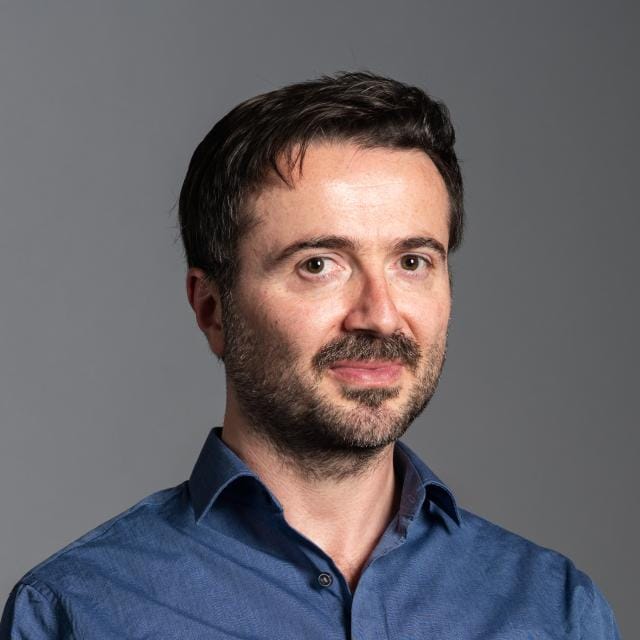
Uğur Zekeriya Peçe received his PhD degree in History from Stanford University in 2016. Before making it to California for doctoral work, Uğur was busy experiencing life in the eastern Mediterranean world. Prior to joining the History Department at Lehigh in 2018, he taught at Bard College (History & Middle Eastern Studies) and Harvard University (History & Literature). He is the author of Island and Empire: How Civil War in Crete Mobilized the Ottoman World (Stanford, 2024)
KOH Choon Hwe | Board Member
Assistant Professor of History
University of California-Los Angeles
Ph.D, Yale University
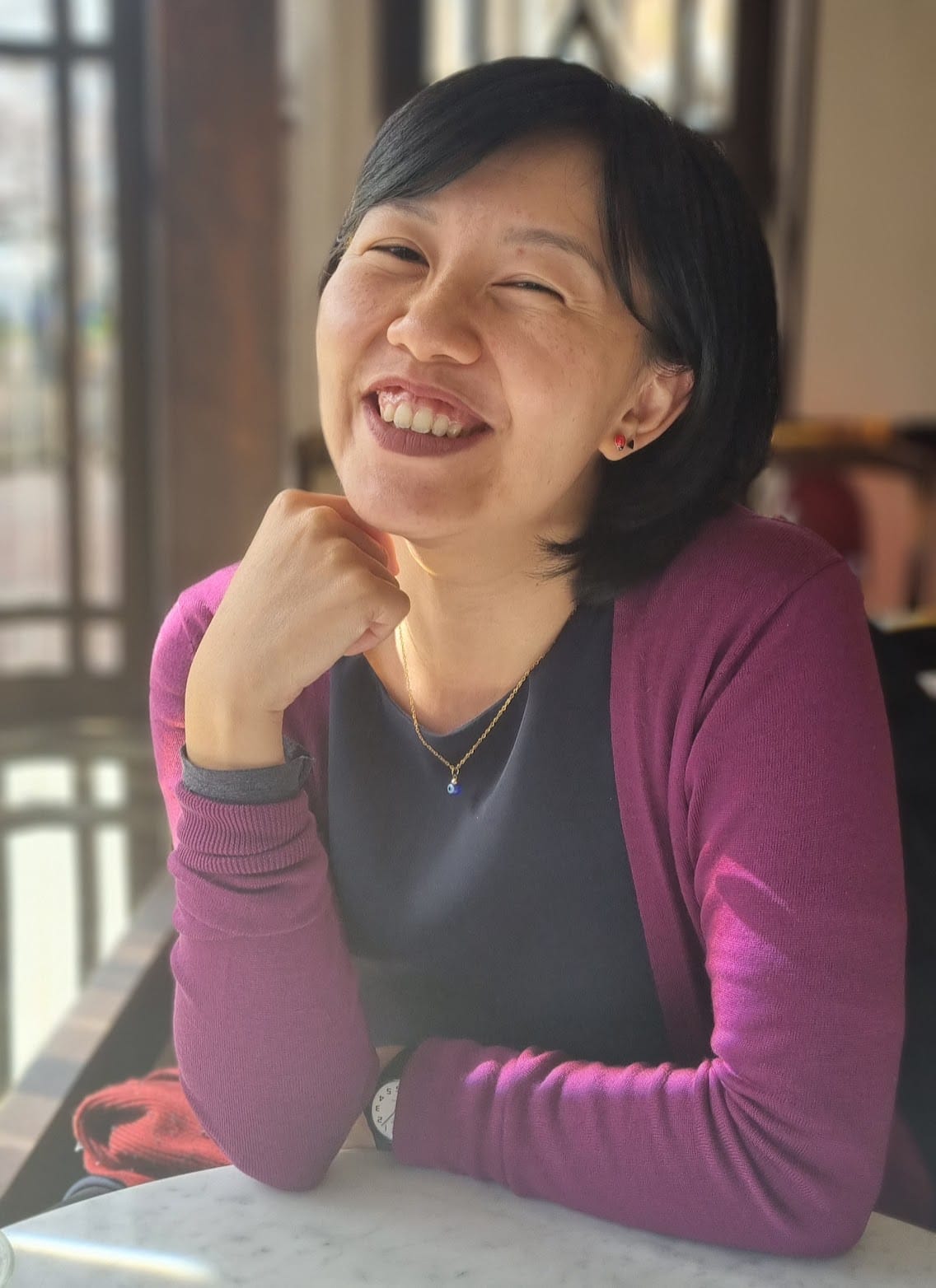
KOH Choon Hwee (surname: KOH; given name: Choon Hwee) is assistant professor of Ottoman history at the University of California, Los Angeles (UCLA).
Her first book, The Sublime Post: How the Ottoman Imperial Post Became a Public Service (Yale University Press, 2024) used the Ottoman relay postal system to examine Ottoman state formation and the empire’s changing social order.
Her work has won various prizes, including the 2025 Albert Hourani Book Prize for The Sublime Post (2024); the Jack Goody Article Prize 2023 (for “The Mystery of the Missing Horses”); the Berkshire Conference Article Prize 2022 (Honorable Mention for “The Ottoman Postmaster”), and the Malcolm Kerr Dissertation Prize (Social Sciences) by the Middle East Studies Assocation (MESA) in 2020. Before doing her PhD, Koh studied at the American University of Beirut, National University of Singapore, Delhi University, and the University of Arizona.
She currently teaches courses on the history of money (HIST 20: Money in the Ancient World; HIST12E: History of Money), the history of business and commerce in the Middle East (187F), as well as a comparative empires seminar with Professor ZHANG Meng.
At UCLA, she is a member of the Ottoman Music Ensemble where she plays the goblet drum (darbouka). Together with history department colleagues, she helps to run the History Brown Bag Seminar Series (reach out if you are in the area and want to workshop a paper!)
She was born and raised in Singapore.
Nominations Committee:
Timur Hammond | Member
Assistant Professor in the Department of Geography
Syracuse University
Ph.D, University of California, Los Angeles
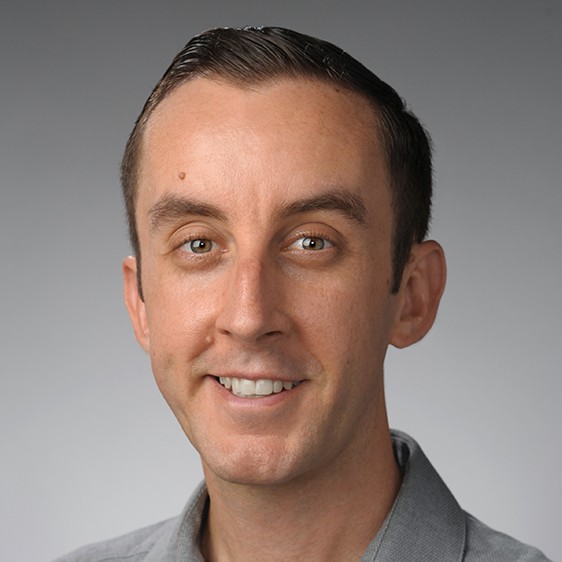
Timur Hammond is an Associate Professor in the Department of Geography and the Environment at Syracuse University. Trained as a cultural and urban geographer, his research examines how people come to understand and transform cities as places of meaning, memory, and faith. His first book, Placing Islam: Geographies of Connection in 20th Century Istanbul (Berkeley: University of California Press, 2023), used a close study of the Istanbul district of Eyüp to develop a broader approach for understanding the geographies of Islam. His new research traces the planetary itineraries of urban trees.
Samuel Dolbee | Member, Chair
Assistant Professor of History
Vanderbilt University
Ph.D., New York University
Samuel Dolbee is an environmental historian of the Ottoman Empire and the modern Middle East, with interests in agriculture, disease, and science. He teaches courses in the Department of History and as part of the Climate Studies major. His first book was published in 2023 by Cambridge University Press and is entitled Locusts of Power: Borders, Empire, and Environment in the Modern Middle East. Dolbee’s scholarship has appeared in the American Historical Review, Past & Present, and International Journal of Middle East Studies. He has also contributed chapters to edited volumes on the history of food and disease, respectively. He is the editor in chief of Ottoman History Podcast. Prior to coming to Vanderbilt, Dolbee was a lecturer on History & Literature at Harvard. He previously held postdoctoral fellowships at Yale’s Program in Agrarian Studies, Harvard’s Mahindra Humanities Center, and Brandeis University’s Crown Center for Middle East Studies. Dolbee completed his PhD at New York University in the joint program in History and Middle Eastern & Islamic Studies, and has an MA in Arab Studies from Georgetown University and a BA in History and International Studies from the University of North Carolina at Chapel Hill.
Bilge Yeşil | Member
Professor of Media and Culture
The College of Staten Island
Ph.D., New York University
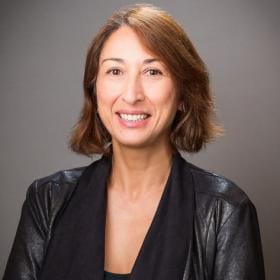
Bilge Yeşil is a Professor of Media Culture at the College of Staten Island and an affiliate faculty member in Middle Eastern Studies at the CUNY Graduate Center. She received her PhD from New York University in Media, Culture, and Communication and holds an MA in Media and Cultural Studies from the University of Wisconsin-Madison.
Dr. Yesil’s research expertise encompasses global media and communication, media in authoritarian systems, surveillance, ownership and regulation. She is the author of Video Surveillance: Power and Privacy in Everyday Life (2009), Media in New Turkey: The Origins of an Authoritarian Neoliberal State (2016), and Talking Back to the West: How Turkey Uses Counter-Hegemony to Reshape the Global Communication Order (2024), and a co-editor of The Handbook of Media and Culture in the Middle East (2023).
She is an active member of two international research projects: Civilizationism Project and Global Media & Internet Concentration Project.
Prior to joining the College of Staten Island, Dr. Yesil taught at New York University, Sabanci University, and the New School. Her research and other scholarly activities have received support from the Graduate Center, the National Science Foundation, the Fulbright Program, and PSC-CUNY. Dr. Yesil is also a frequent contributor to international media, with interviews featured on Al Jazeera English, Democracy Now, and BBC Radio 5.